.webp)


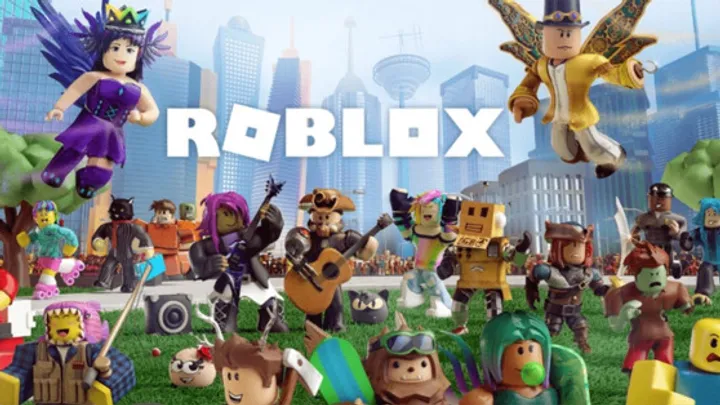
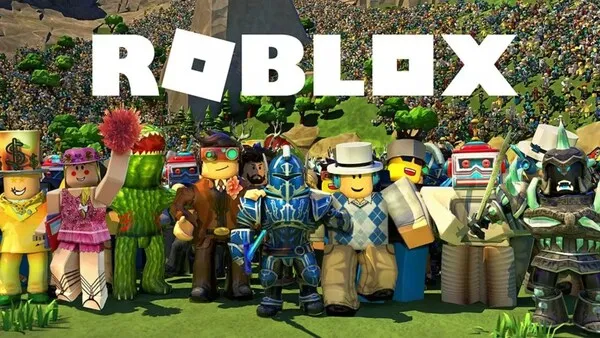
Roblox is more than just a game. It is a platform where millions of players create, share, and experience user-generated content every day. While many people join Roblox to play games, an increasing number of players dream of becoming developers and building their own successful experiences.
Creating a Roblox game may seem simple at first glance. Roblox Studio provides accessible tools, countless tutorials exist online, and many successful games appear straightforward on the surface. However, building a game that attracts players, keeps them engaged, and grows into a successful project requires much more than placing objects on a map.
This guide focuses specifically on how to create a successful Roblox game from start to finish. Rather than discussing Roblox in general, it provides a practical roadmap that follows the natural development process—from generating an idea and learning the tools to launching, updating, and growing a community
How to Choose the Right Game Idea
Many beginners make the mistake of attempting to build extremely large projects immediately. Massive open worlds, complex RPGs, and multiplayer simulations may sound exciting, but they often become overwhelming.
A better approach is identifying a concept that can be completed with available skills and resources. Simplicity does not mean lack of quality. Many successful Roblox games focus on a single core mechanic and execute it exceptionally well.
The goal is to find a balance between originality and practicality. Players appreciate fresh ideas, but they also enjoy familiar mechanics presented in unique ways.
Characteristics of a Strong Game Concept
Look for ideas that are:
- Easy to understand.
- Fun within the first few minutes.
- Expandable over time.
- Suitable for your skill level.
- Different from direct copies of existing games.
How to Learn Roblox Studio Efficiently
Roblox Studio is the foundation of every Roblox experience. Before creating advanced systems, developers must become comfortable with the interface and core tools.
Beginners often try to learn everything simultaneously. This can lead to confusion and frustration. Instead, focus on mastering one system at a time. Learn how to place objects, adjust properties, create terrain, and test gameplay before moving to more advanced topics.
Progressive learning produces better results than attempting to memorize every feature immediately.
Essential Studio Skills
Understanding the basics allows developers to build confidence before tackling larger projects.
Core areas to learn
- Workspace management.
- Terrain editing.
- Asset insertion.
- Lighting configuration.
- Playtesting tools.
How to Learn Lua Scripting for Roblox
At some point, every serious Roblox developer encounters scripting. Lua powers the majority of interactive systems found within Roblox games.
Fortunately, developers do not need to become expert programmers immediately. Many successful creators start by learning simple concepts such as variables, functions, events, and conditional statements.
As projects become more ambitious, scripting knowledge becomes increasingly valuable. It enables developers to create unique mechanics that distinguish their games from competitors.
Beginner Scripting Priorities
Focus on understanding logic rather than memorizing code.
Important concepts
- Variables.
- Functions.
- Loops.
- Events.
- Conditions.
Why Scripting Matters
Custom mechanics often determine whether a game feels generic or memorable. Strong scripting skills provide greater creative freedom.
How to Build an Engaging First Map
The first environment players encounter creates an immediate impression. If the opening area feels confusing, empty, or unpolished, many visitors may leave before experiencing the game's strengths.
Effective map design balances aesthetics with functionality. Players should understand where to go, what to do, and how to interact with the world.
Navigation should feel natural rather than complicated. Good design guides players without forcing them.
Principles of Strong Map Design
Visual quality is important, but usability is equally critical.
Design priorities
- Clear objectives.
- Logical pathways.
- Consistent themes.
- Performance optimization.
- Visual clarity.
How to Create a Fun Gameplay Loop
A gameplay loop is the sequence of actions players repeat throughout a game. This loop determines whether players remain engaged for minutes or hours.
Many beginner projects focus heavily on appearance while neglecting gameplay depth. Even beautiful environments cannot compensate for repetitive or unrewarding mechanics.
The strongest gameplay loops provide a balance between challenge, progression, and reward.
Components of a Successful Loop
Players should always feel they are working toward meaningful goals.
Common gameplay cycle
- Perform an action.
- Earn rewards.
- Upgrade abilities.
- Unlock content.
- Repeat with new opportunities.
Encouraging Long-Term Engagement
The loop should remain enjoyable even after multiple repetitions.
Variety, progression, and meaningful rewards help maintain player interest.
How to Design Effective Progression Systems
Progression provides players with reasons to continue playing. Without progression, even entertaining mechanics can become repetitive.
Levels, currency systems, achievements, unlockable items, and character improvements all contribute to a sense of advancement.
The key is maintaining balance. Progress should feel rewarding without becoming excessively slow or frustrating.
Progression Design Principles
Players enjoy:
- Visible growth.
- Frequent rewards.
- Clear objectives.
- Unlockable content.
- Achievable milestones.
Successful progression systems motivate players to return repeatedly.
How to Test and Fix Problems Before Launch
No game launches perfectly. Bugs, balance issues, and design flaws are inevitable. The goal is identifying and resolving as many problems as possible before release.
Developers often become accustomed to their own creations and overlook issues that new players notice immediately. External testing therefore becomes extremely valuable.
Fresh perspectives frequently reveal weaknesses that internal testing misses.
Effective Testing Methods
Testing should focus on both technical stability and player experience.
Areas to evaluate
- Performance.
- User interface.
- Gameplay balance.
- Navigation.
- Multiplayer functionality.
The Value of Feedback
Constructive criticism helps improve the final product. Developers who listen carefully often produce stronger experiences.
How to Launch Your Roblox Game Successfully
Launching a game involves more than clicking the publish button. A successful release requires preparation, presentation, and planning.
Players often judge games before entering them. Titles, descriptions, thumbnails, and icons significantly influence first impressions.
A strong presentation increases the likelihood that players will give the game a chance.
Launch Preparation Checklist
Before publishing:
- Test all major systems.
- Create attractive thumbnails.
- Write a clear description.
- Verify multiplayer functionality.
- Optimize performance.
First impressions can significantly influence long-term growth.
How to Grow a Community Around Your Game
Many developers assume that publishing a game automatically attracts players. In reality, community building is often just as important as development.
Players who feel connected to a game's community are more likely to remain active, provide feedback, and invite friends.
Successful Roblox games often grow because developers actively engage with their audiences.
Community-Building Strategies
Focus on:
- Listening to feedback.
- Hosting events.
- Posting updates.
- Encouraging discussion.
- Rewarding loyal players.
Building Trust
Transparency helps establish strong relationships between developers and players.
Communities tend to support developers who communicate consistently.
How to Maintain Long-Term Success
Creating a successful game is only the beginning. Maintaining success requires continuous improvement and adaptation.
Player expectations evolve over time. New content, balance updates, quality-of-life improvements, and seasonal events help keep experiences fresh.
Games that remain unchanged for extended periods often struggle to retain active communities.
The Update Cycle
Regular updates demonstrate commitment and encourage returning players.
Long-term priorities
- Fix bugs quickly.
- Introduce new content.
- Improve performance.
- Expand progression systems.
- Respond to player feedback.
Thinking Like a Professional Developer
Long-term success comes from viewing game development as an ongoing process rather than a one-time project.
The most successful Roblox creators continuously refine their games based on player behavior and community needs.
Conclusion
Creating a successful Roblox game requires far more than technical knowledge alone. Developers must combine creativity, planning, design, programming, testing, marketing, and community management into a single development process.
The journey begins with a realistic idea and continues through learning Roblox Studio, building engaging gameplay, implementing progression systems, and preparing for launch. After release, ongoing updates and community engagement become essential components of long-term success.
Ultimately, the most successful Roblox developers are not necessarily those with the largest budgets or most advanced skills. They are the creators who consistently learn, improve, and respond to player needs. By following a structured approach and focusing on continuous growth, anyone can take meaningful steps toward building a successful Roblox experience.