


Since its release, Valorant has become one of the most influential tactical shooters in modern gaming. Developed by Riot Games, the title blends precise gunplay with unique agent abilities, creating a hybrid experience that stands at the intersection of classic FPS mechanics and hero-based gameplay. More than just a competitive game, Valorant has evolved into a global esports ecosystem with a massive player base and continuous updates.
In this comprehensive, expert-level article, we will explore every aspect of Valorant—from its origins and gameplay systems to agent design, competitive structure, strengths, weaknesses, and overall rating. Structured into 10 meaningful sections, this guide will provide a complete understanding of why Valorant dominates the tactical shooter genre.
 The Origins of Valorant and Riot’s Vision
When Riot Games announced Valorant (initially under the codename “Project A”), expectations were high. Known for League of Legends, Riot aimed to enter the FPS market with a competitive-first mindset.
The goal was clear: create a shooter that rewards skill, strategy, and teamwork while maintaining accessibility for new players. Unlike traditional shooters, Valorant introduced a unique blend of abilities and gunplay, redefining what tactical FPS games could look like.
Riot’s Core Objectives
Competitive Integrity
- 128-tick servers for precision
- Strong anti-cheat system (Vanguard)
- Balanced gameplay mechanics
Accessibility
- Free-to-play model
- Low system requirements
- Clear visual design
Core Gameplay Mechanics and Tactical Depth
At its heart, Valorant is a 5v5 tactical shooter where teams alternate between attacking and defending. The objective revolves around planting or defusing a device called the Spike.
Gunplay is highly precise, emphasizing accuracy, recoil control, and positioning. Unlike many modern shooters, running and shooting is heavily penalized, rewarding disciplined play.
Key Gameplay Elements
Shooting Mechanics
- Recoil patterns require mastery
- Headshots are highly lethal
- Economy system influences weapon choices
Objective-Based Play
- Strategic site control
- Coordinated team execution
- Time management under pressure
 Agents and Abilities: The Hero Shooter Twist
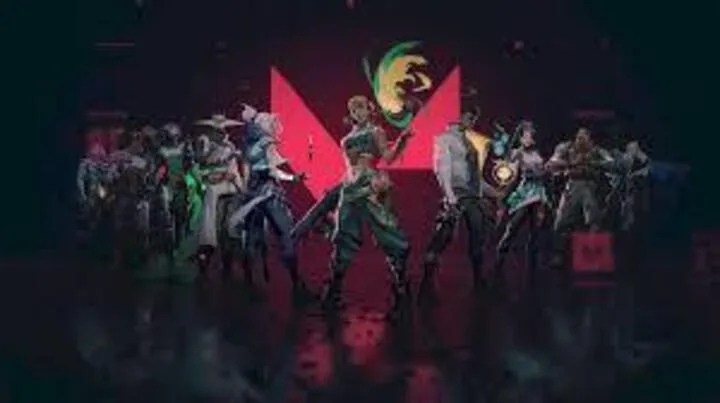
One of Valorant’s defining features is its roster of agents, each equipped with unique abilities that shape gameplay.
Agents are divided into roles, ensuring team composition plays a critical role in success. This adds a strategic layer beyond traditional shooting mechanics.
Agent Roles
Duelists
- Focus on entry fragging
- High mobility and aggression
Controllers
- Manipulate vision and space
- Essential for executing strategies
Sentinels
- Defensive specialists
- Provide support and area control
Initiators
- Gather information
- Disrupt enemy positioning
Maps and Environmental Strategy
Maps in Valorant are carefully designed to balance competitive play while offering strategic depth. Each map introduces unique mechanics that influence gameplay.
Unlike random environments, every angle, corner, and pathway is intentional, requiring players to learn layouts thoroughly.
Map Design Features
Tactical Layouts
- Multiple entry points
- Choke points for defense
- Verticality in some maps
Unique Mechanics
- Teleporters
- Rotating doors
- Environmental interactions
The Economy System: A Strategic Backbone
The economy system in Valorant is one of its most critical mechanics. Players must manage credits to buy weapons, shields, and abilities.
Winning or losing rounds directly impacts purchasing power, making every decision important.
Economy Concepts
Buy Rounds
- Full investment in weapons and utilities
Eco Rounds
- Saving credits for future rounds
Force Buys
- Risky investments to regain momentum
Competitive Scene and Esports Growth
Valorant quickly established itself as a major esports title. Riot Games introduced the Valorant Champions Tour (VCT), creating a structured global competitive system.
Professional teams compete in regional and international tournaments, showcasing the highest level of play.
Esports Highlights
Major Events
- Masters tournaments
- Champions (world championship)
Competitive Integrity
- Strict rules and regulations
- Balanced patches for fairness
Visual Style and Performance Optimization
One of Valorant’s strengths is its clean and optimized visual design. The game avoids unnecessary clutter, ensuring clarity during intense matches.
This approach not only enhances gameplay but also allows the game to run on a wide range of systems.
Visual Advantages
Clarity
- Easy-to-read environments
- Distinct agent silhouettes
Performance
- Low hardware requirements
- Stable frame rates
Community, Updates, and Live Service Model
Riot Games maintains Valorant as a live service game, consistently updating content and balancing gameplay.
The community plays a significant role in shaping the game, with feedback influencing patches and new features.
Update Features
Regular Patches
- Agent balancing
- Bug fixes
New Content
- Agents
- Maps
- Skins and cosmetics
Learning Curve and Skill Development
Valorant is easy to learn but difficult to master. New players can quickly understand the basics, but achieving high-level play requires dedication.
Skills Required
Mechanical Skills
- Aim and reflexes
- Recoil control
Strategic Skills
- Map awareness
- Team coordination
Mental Skills
- Decision-making under pressure
- Adaptability
 Final Rating and Expert Verdict
Overall Rating: 9.4/10
Valorant stands as one of the best tactical shooters available today. It successfully combines precision gunplay with strategic depth, creating a unique and engaging experience.
Strength Highlights
- Competitive integrity
- Innovative gameplay design
- Strong developer support
Areas for Improvement
- Better onboarding for new players
- Enhanced anti-toxicity measures
The Future of Valorant
The future of Valorant looks incredibly promising. Riot continues to invest in both gameplay innovation and esports development.
What Lies Ahead
New Agents and Maps
- Expanding gameplay possibilities
Esports Expansion
- Larger global tournaments
- Increased prize pools
Technological Improvements
- Enhanced graphics
- Improved matchmaking systems
Conclusion
Valorant is more than just a game—it is a benchmark for modern tactical shooters. By blending precise mechanics, strategic depth, and a vibrant esports scene, Riot Games has created a title that continues to thrive years after its release.
While it has its challenges, particularly for new players, the rewards of mastering Valorant are immense. It offers a level of satisfaction and competitive excitement that few games can match.